Texas State Room
U.S. Senate — Texas
Articles, candidate report cards, office explainers & public accountability
Texas 2026 — and the Road Beyond
Election: November 3, 2026. Research checked: October 8, 2026. Texas voters have three certified printed choices and four certified write-ins for this Senate seat. This report includes all seven, regardless of party, money or media attention. It does not confuse former primary candidates or FEC registrations with current ballot eligibility.
WHAT A U.S. SENATOR CAN DELIVER
A Senator serves a six-year term and participates in federal lawmaking, appropriations, oversight, confirmations, treaty approval and impeachment trials. Texas elects two Senators, but this contest fills one seat. A Senator can introduce bills, negotiate, vote, question executive officials and assist constituents. A Senator cannot alone enact a tax change, administer a state utility, order deportations or overturn the Constitution. Most legislation requires agreement with the House and the President; Senate rules and committee assignments affect what can advance.
The office has real influence over healthcare, taxes, trade, military funding, immigration, federal education programs, energy regulation and digital rights. Promises affecting Texas water, zoning, school operations or the state grid need a defined federal mechanism and coordination with the responsible state or local authority.
Senate powers and procedures · Constitution
ALL CERTIFIED CHOICES AND THEIR WEBSITES
| Candidate | Ballot status | Verified campaign |
|---|---|---|
| Ken Paxton | Republican — printed | kenpaxton.com |
| James Talarico | Democratic — printed | jamestalarico.com |
| Ted Brown | Libertarian — printed | tedbrown.org |
| Avery Ayers | Certified write-in | ayers4.us |
| Bradford “Brad” Hall | Certified write-in | senate.deadliftradio.com |
| Zul Mohamed | Certified write-in | zulmohamedfortexas.com |
| Jade Simmons | Certified write-in | jadesimmonsforsenate.com |
Eligibility comes from the Secretary of State printed certification and certified write-in list, both dated August 28. The write-ins' names are not printed as ordinary candidate choices. Follow your county's ballot or machine instructions, including any required mark beside the write-in entry; ask an election worker about operating the equipment. Certification is the current eligible list, not a claim that no candidate can withdraw or no official correction can occur.
KEN PAXTON
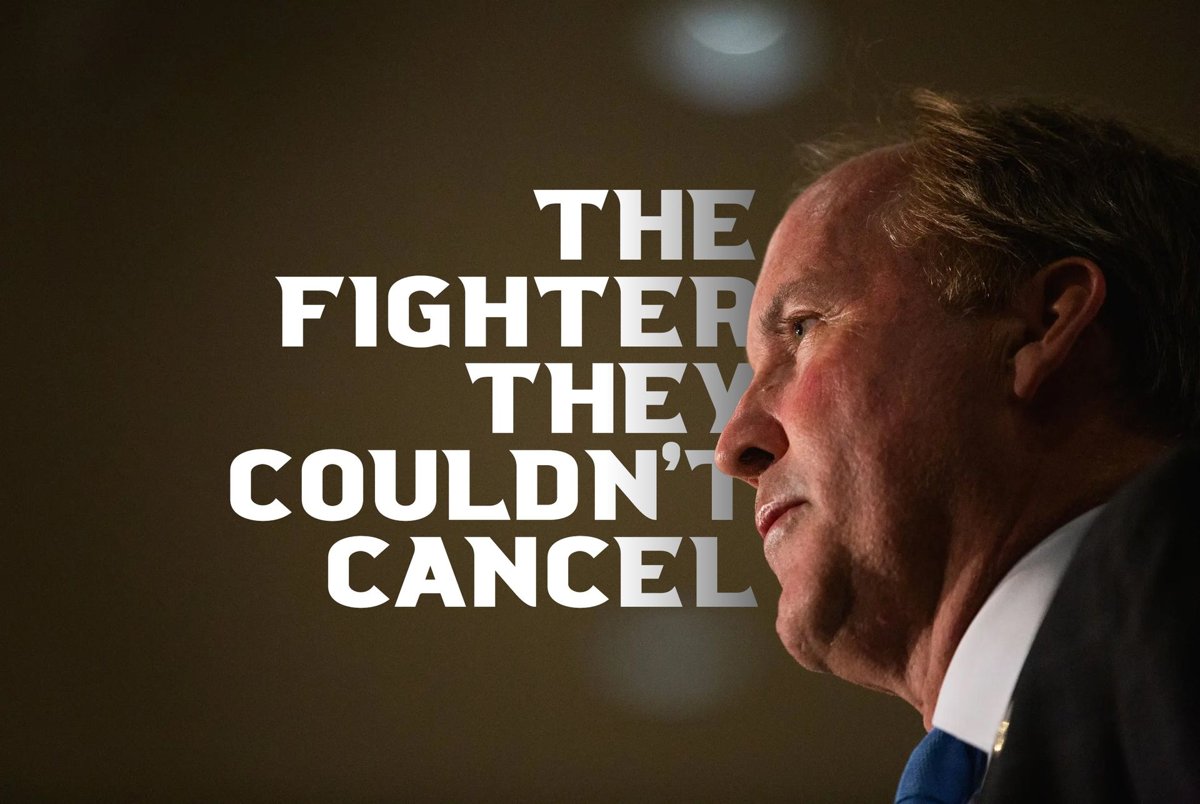
Republican — printed ballot. His campaign biography describes service as Attorney General since 2015, earlier Texas House and Senate service, and business and law degrees. His issues page supports Trump’s agenda, border enforcement, tax and regulatory reductions, healthcare and food-industry transparency, gun rights and a cryptocurrency regulatory framework. These are attributed proposals; claims about opponents, litigation success and economic results require independent records.
Campaign · Issues · Campaign biography
Public accountability record: the Texas House adopted 20 articles of impeachment in May 2023. The Senate acquitted him on the 16 tried articles on September 16, 2023 and dismissed the four held in abeyance. The official trial record and Senate outcome report establish that result. Impeachment allegations, campaign defenses and the Senate judgment must remain distinct. This report does not treat an allegation as a criminal conviction or characterize that judgment as resolution of every separate dispute.
Questions: Which bills would you introduce in the first year, with what costs and deadlines? How would tax reductions affect deficits and essential services? What measurable consumer protections would accompany food, drug and crypto reforms? What conflict-disclosure, recusal and whistleblower protections would you support for all parties?
JAMES TALARICO
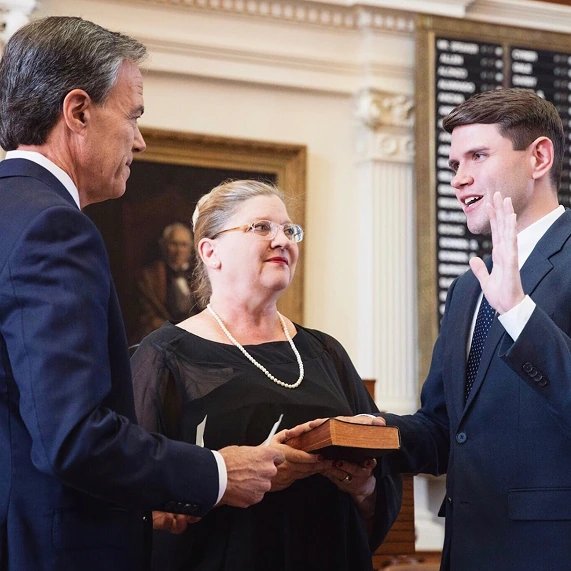
Democratic — printed ballot. The Texas House biography identifies him as a former public-school teacher first elected in 2018. His campaign proposes an anti-corruption package, restrictions on congressional stock trading, independent redistricting, expanded voting access, tax changes, a $15 federal minimum wage, a public health-insurance option and household cost relief. Its claims of legislative accomplishments need bill text, final status and implementation evidence, not merely a press release.
Campaign · All issues · Democracy proposals · Tax and affordability proposals · AI and technology · House legislation
Questions: What independent budget estimates support the proposed benefits and tax changes? Which reforms can be enacted by statute, which face constitutional limitations, and which need an amendment? How would a public insurance option be funded and administered? Which bills and outcomes show that your housing, childcare and prescription-drug measures produced the promised benefits?
TED BROWN
Libertarian — printed ballot. His campaign describes an insurance-adjusting career and long party service. His detailed platform supports reducing federal spending, ending the federal income tax, restoring congressional control over tariffs and emergency powers, digital privacy, nonintervention abroad, drug-law repeal and ending civil asset forfeiture. Proposed replacement of federal programs raises substantial transition and service questions. Platform statistics and causal claims are campaign claims until independently checked.
Campaign, biography and platform ›
Questions: What revenue and spending plan would replace the income tax? How would recipients transition if healthcare and education programs were reduced? What security and treaty obligations would troop withdrawals change? Which privacy protections would you introduce first, with what safeguards for legitimate investigations and due process?
AVERY AYERS — CERTIFIED WRITE-IN
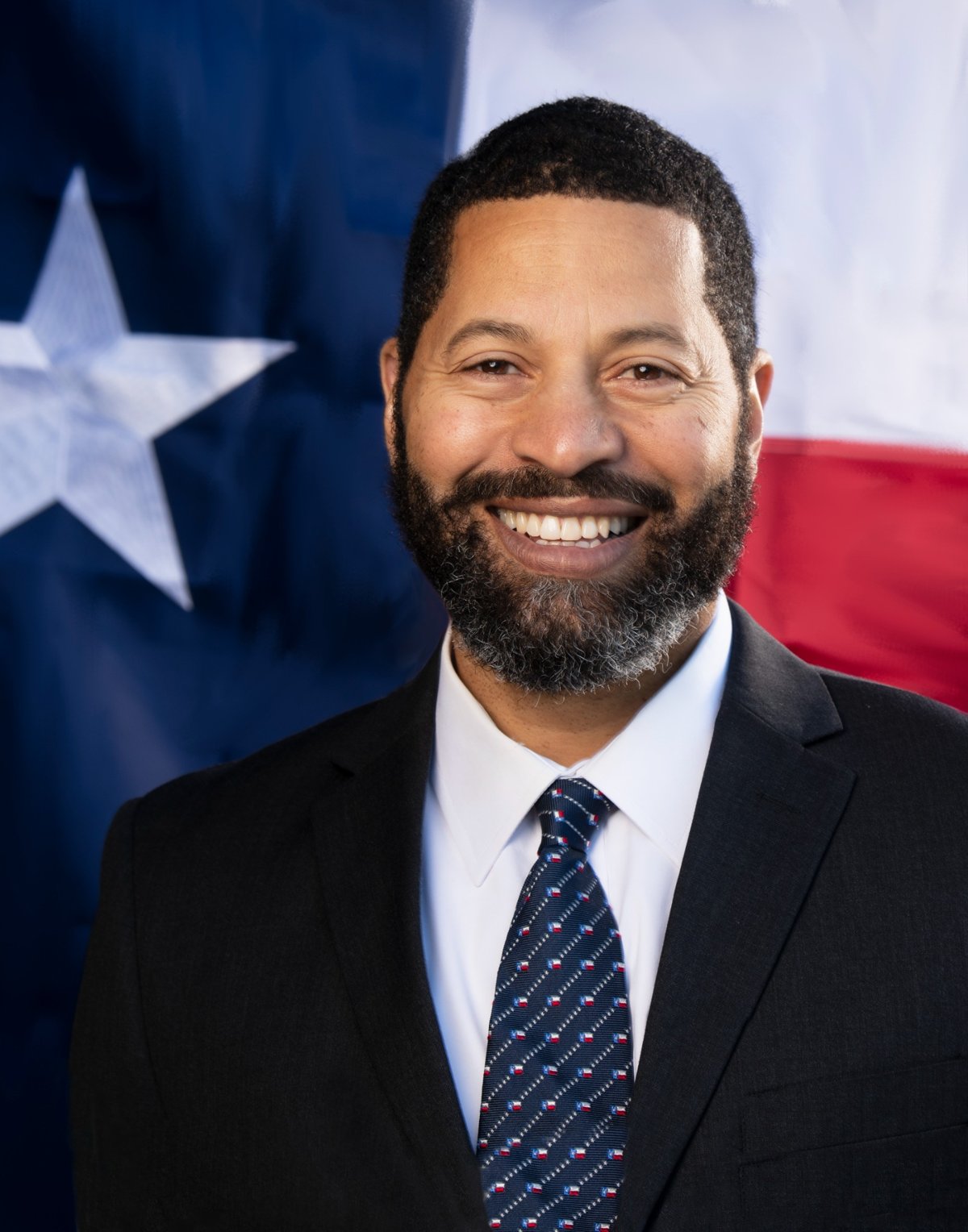
His campaign describes Air Force service and work in business, legal support and AI consulting. Its current priorities include household affordability, legal immigration and border enforcement, veterans' services, retirement security, small businesses, apprenticeships and AI workforce training. The current issues page states directions more often than detailed budgets and deadlines; a proposed veterans act needs its draft and cost estimate. These biographical statements remain attributed pending credential and service-record verification.
Questions: What provisions would your veterans act contain, and which agencies would implement them? How would AI training reach displaced workers and measure employment outcomes? What specific federal changes would reduce housing, insurance and electricity costs? Which records establish your relevant professional and military experience?
BRADFORD “BRAD” HALL — CERTIFIED WRITE-IN
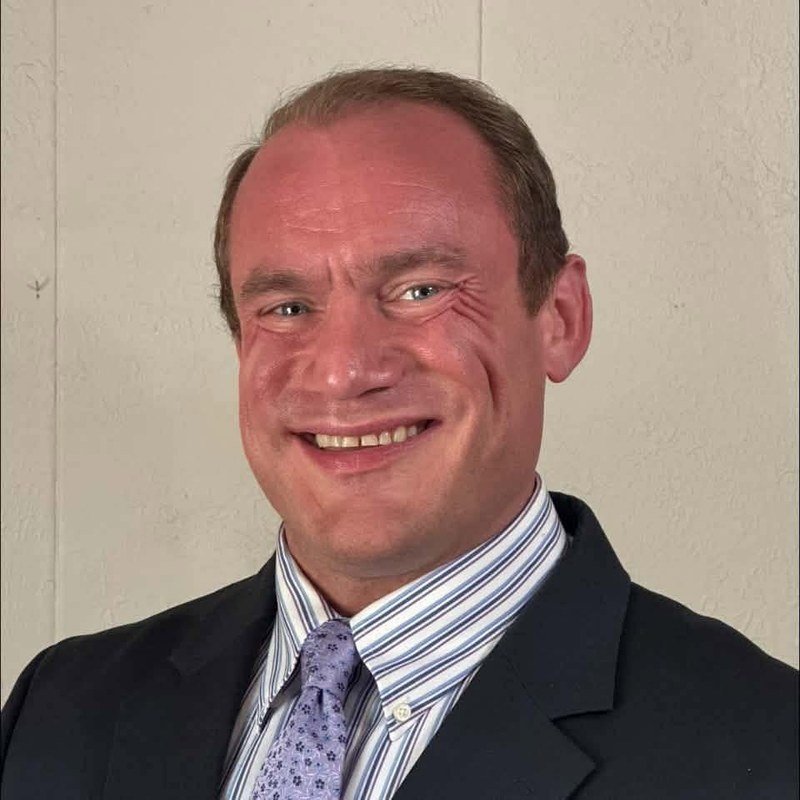
Hall's campaign presents a public position ledger emphasizing contract-to-payment identifiers, published audit findings, independent oversight of government AI, data-center water and electricity reporting, and cost allocation to large new loads. It advocates paper election records and public audits. The ledger explicitly leaves several federal policy briefs undecided, including a full immigration and foreign-policy program; this report does not fill those gaps for him. His 144,000-write-in target is an organizing goal, not votes already cast or a forecast.
Campaign and speech · Adopted positions and open briefs
Questions: Which federal agencies would adopt your contract identifier, and what would implementation cost? Which data-center requirements need federal law versus Texas or local action? Who selects and funds independent auditors? When will the remaining federal policy briefs include a legal mechanism, budget and deadline?
ZUL MOHAMED — CERTIFIED WRITE-IN
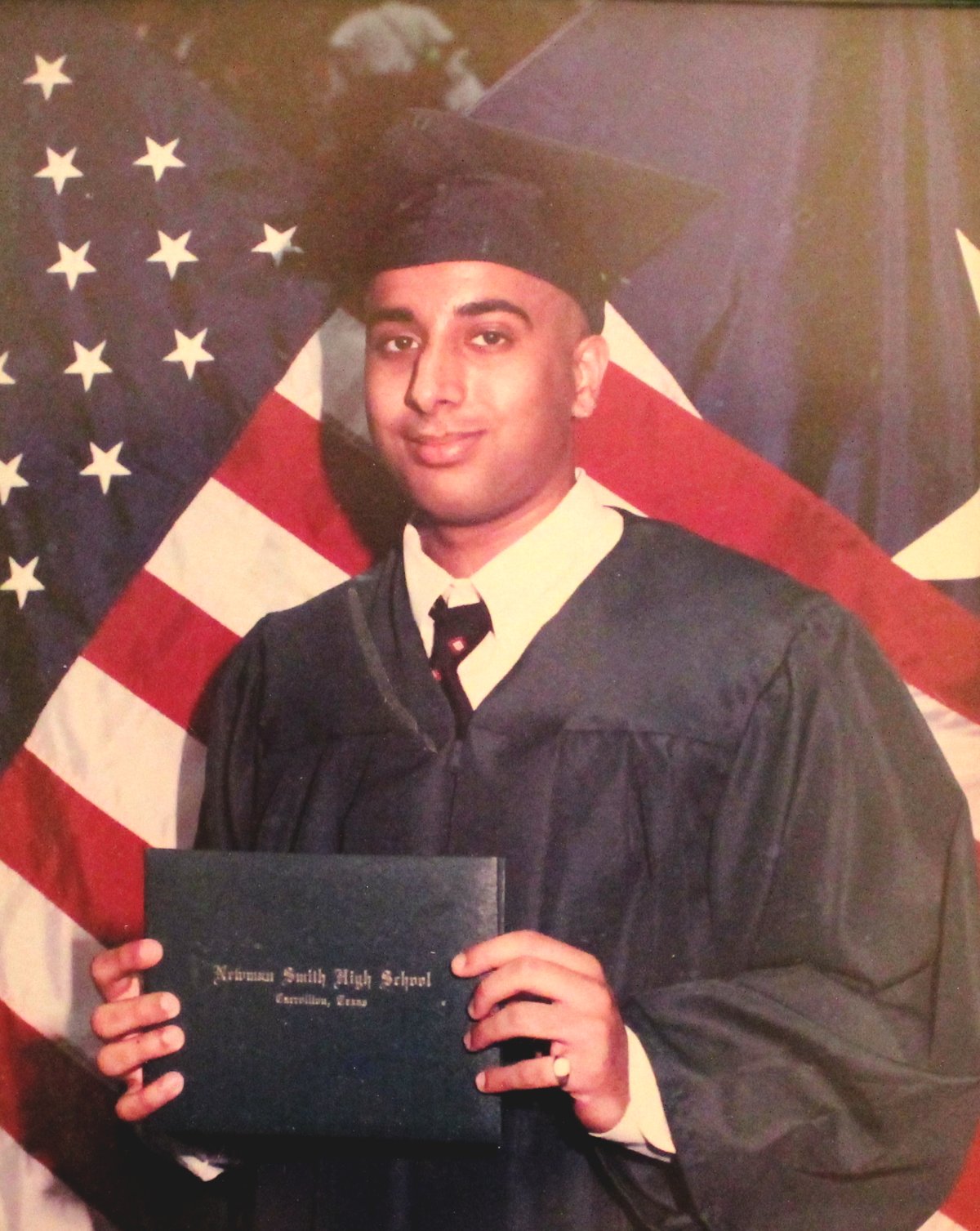
His campaign biography describes an economics degree and apparel and digital-marketing business. Current campaign material advocates universal healthcare, education, environmental policy and privacy, criticizes automated vehicle surveillance, and opposes U.S. military support for Israel. It also proposes a major constitutional reorganization. These are campaign positions, not established findings about government spending or a legal process one Senator can order. The campaign's American Millennial Party branding and an FEC party field do not create a printed party ballot line; the SOS certifies Mohamed as a write-in.
Questions: What lawful amendment or convention process would your reorganization follow, and how would rights and essential services be protected? What recurring revenues would fund healthcare? How would you balance privacy, public safety and due process? What specific foreign-policy votes would you pursue, and what humanitarian and security consequences would you evaluate?
JADE SIMMONS — CERTIFIED WRITE-IN
Her campaign emphasizes independent leadership and public service. Its homepage has campaign participation and event material but no sufficiently detailed office-wide policy program for a comparative assessment in this pass. Baylor's October 5 event notice independently confirms a rented campaign event; it is not a university endorsement. Her artistic and speaking career is a starting point for experience research, not a substitute for policy evidence.

Questions: Where can voters read your full federal platform? What are your first three legislative priorities, proposed bills, budgets and deadlines? Which documented management or public-service results demonstrate preparation for federal office? How would you handle confirmations, appropriations and national-security oversight?
DATED FEDERAL FINANCE — COMPARABLE BALANCE DATE, UNEQUAL FLOW WINDOWS
FEC summaries checked October 8, 2026. The verified numerical rows end June 30. They are historical reported figures, not October balances. Cash on hand and debt use that common date; receipts and spending have different start dates and must not be ranked as equal-period flows. Receipts include sources other than contributions. Outside spending is separate from candidate-controlled funds. More recent reports, amendments, committee transfers and itemized donors remain to be reconciled.
| Candidate | FEC coverage period | Receipts | Disbursements | Cash June 30 | Debts owed June 30 | Source and scope |
|---|---|---|---|---|---|---|
| Ken Paxton | 2025-04-01–2026-06-30 | $9,248,698.53 | $7,492,915.18 | $1,755,783.35 | $0.00 | FEC candidate summary, two authorized committees |
| James Talarico | 2025-09-08–2026-06-30 | $68,560,930.42 | $47,012,775.34 | $21,548,155.08 | $0.00 | FEC candidate summary, Talarico for Texas C00919084 |
| Ted Brown | 2025-01-01–2026-06-30 | $7,459.52 | $6,376.43 | $1,150.97 | $0.00 | FEC committee C00857623 |
| Avery Ayers | Comparable June 30 figures not verified | Unknown | Unknown | Unknown | Unknown | FEC C00886770; differing historical committee descriptions/periods require underlying amendment reconciliation |
| Bradford Hall | Comparable figures not available in checked summary | Unknown | Unknown | Unknown | Unknown | FEC C00954123 |
| Zul Mohamed | Comparable figures not available in checked summary | Unknown | Unknown | Unknown | Unknown | FEC S6TX00651, committee C00959197 |
| Jade Simmons | Comparable figures not retrieved | Unknown | Unknown | Unknown | Unknown | FEC S6TX00495; retrieval unresolved |
The project's standard low-funded threshold is under $100,000 in contributions for January 1–June 30, 2026. No Senate candidate is assigned that designation from these unequal summary windows; a receipt total is not substituted for a contribution total. Brown's reported resources are included despite being far smaller than the major-party summaries. Missing data is unknown, not zero. FEC registration establishes a finance record, not Texas ballot eligibility.
THREE VOICES AND PROVISIONAL REPORT CARD
AI research / provisional view: this sourced first pass. All seven candidates remain unscored. California's framework examines experience, accountability, education, affordability, economic opportunity, civil rights and religious freedom for everyone, environment, practical office powers and measurable commitments. Commitment scoring requires an identified document and up to two points each for action, mechanism, authority, target and deadline. An overall /90 total requires adequate comparable evidence across all nine categories. A forecast is a separate question; funding and slogans do not establish who will win.
Voter response: Omar and readers can offer their own assessments. Candidate response / self-assessment: every candidate can submit corrections, records and a self-assessment. No responses to this report, votes, Omar endorsement or personal score are invented. Existing campaign material is attributed source evidence, not a response submitted to this project.
Same request to every candidate: identify three priorities, office authority, delivery mechanism, recurring costs, targets and deadlines. Provide records that allow voters to check credentials, conflicts, votes and results. Further research must examine complete legislative and professional records, litigation dispositions, bill implementation, financial disclosures and comparable current campaign finances.
PHOTO PROVENANCE
Paxton: campaign graphic with photograph · Talarico: campaign biography oath photograph · Brown: campaign event photograph · Ayers: campaign portrait · Hall: campaign photograph · Mohamed: campaign biography, historical graduation · Simmons: campaign photograph
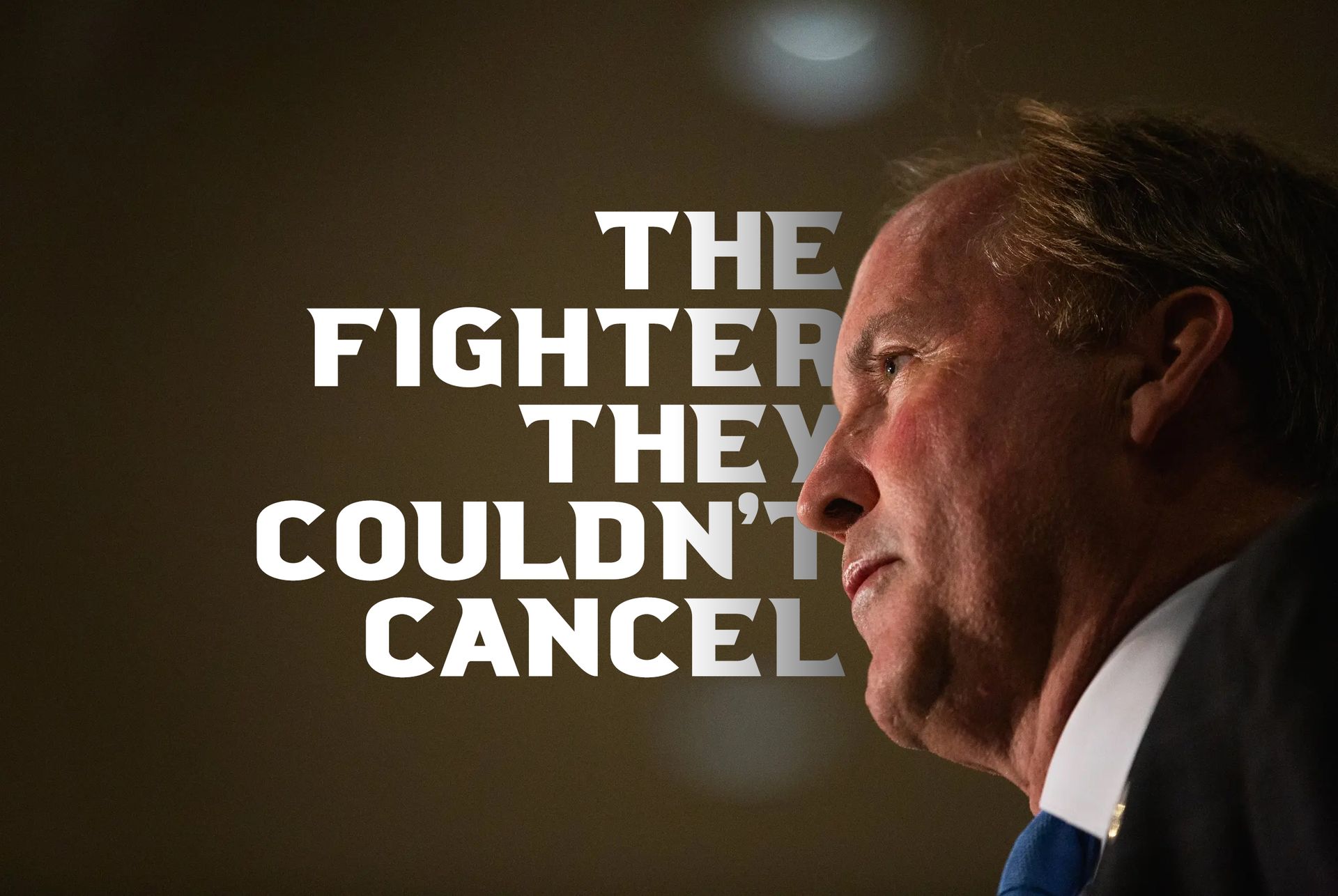


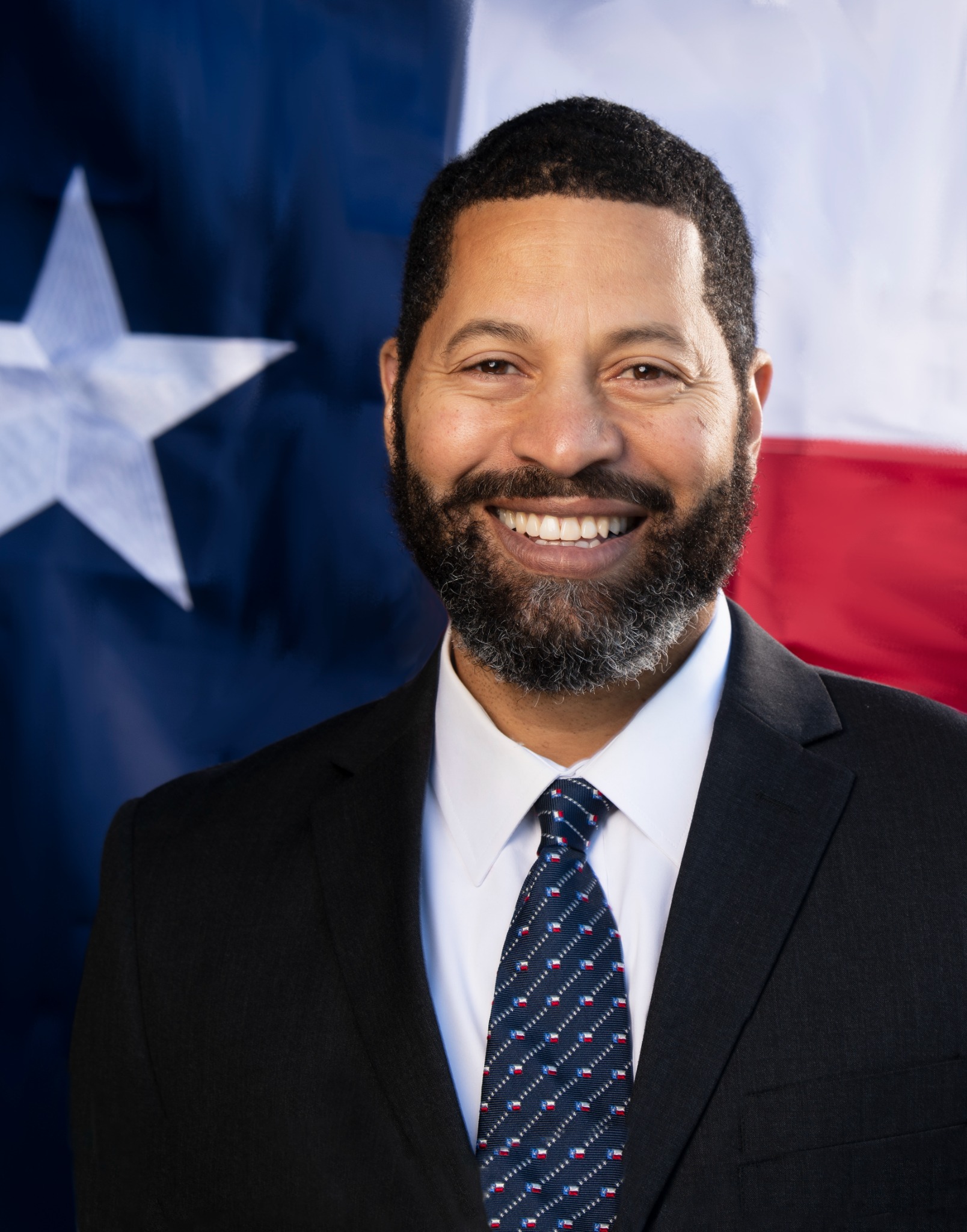


Images are sourced and resized as whole images; none is generated. Campaign graphics and historical/group photographs are labeled accordingly. A photograph establishes identity in its source context, not endorsement or proof of performance.