The Digital Museum
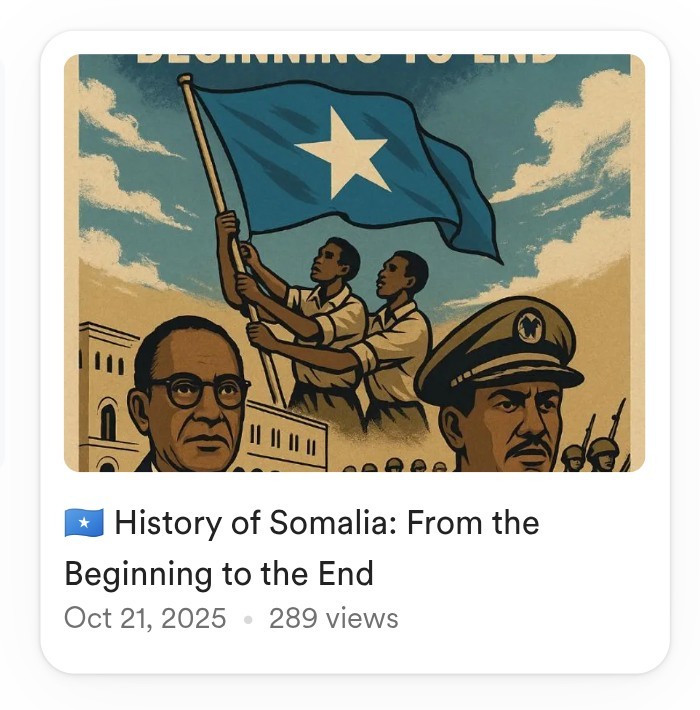
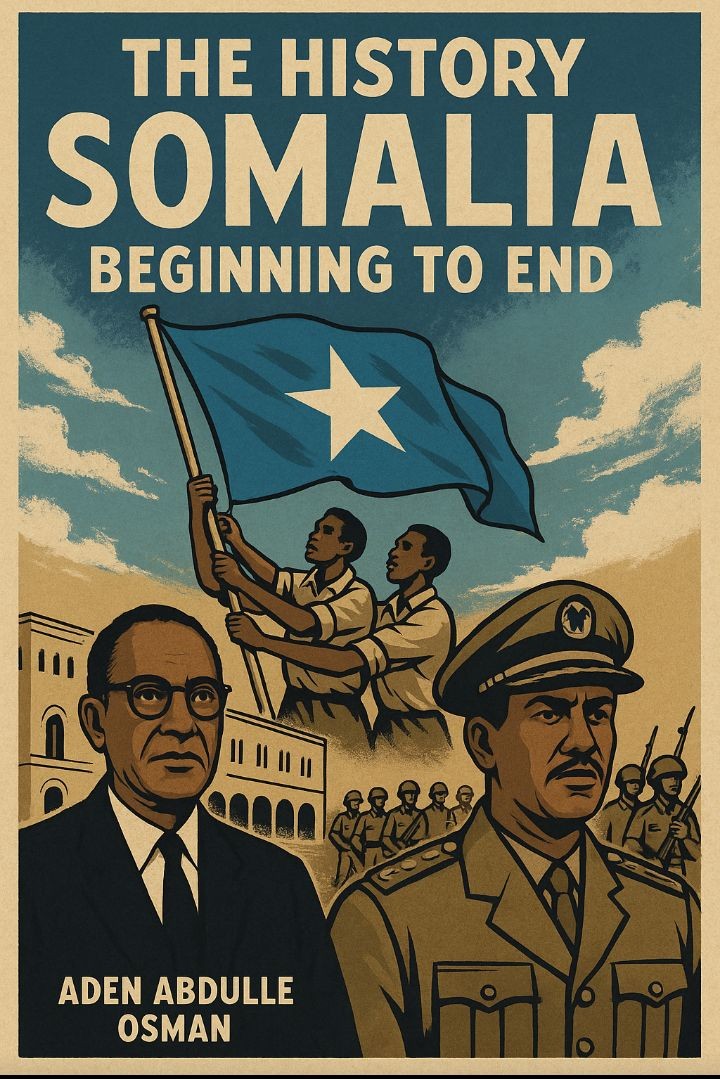
The History of Somalia — Beginning to End
A nation cannot negotiate its future if its people do not first agree on the facts of its past.
November 21, 2026
Before We Speak of Somalia's Future, We Must Agree on Its Past
Every nation has a story it tells itself. For Somalia, that story has too often been told by outsiders, fractured by clan memory, or buried under the noise of the last thirty years. We have inherited a country whose name is spoken everywhere—in newsrooms, in aid reports, in diaspora kitchens—yet whose history remains unfamiliar even to many of its own children.
This digital museum begins with a simple, uncomfortable premise: you cannot build a brighter future on a history you do not understand. Before anyone speaks about Somali politics, Somali governance, or Somali destiny, they must first prove they understand how this nation was made—and how it was broken.
The first chapter, Part I: The End of Democracy (1960–1969), is not nostalgia. It is evidence.
On July 1, 1960, British Somaliland and Italian Somaliland united to form the Somali Republic. It was a rare post-colonial achievement: voluntary union, a parliamentary constitution, and a peaceful transfer of power that earned Somalia the description of "the only African state where a ruling party had voluntarily yielded the presidency after losing an election". For nine years, Somalis governed themselves through parties, parliaments, and poets—proof that self-rule was not a foreign fantasy.
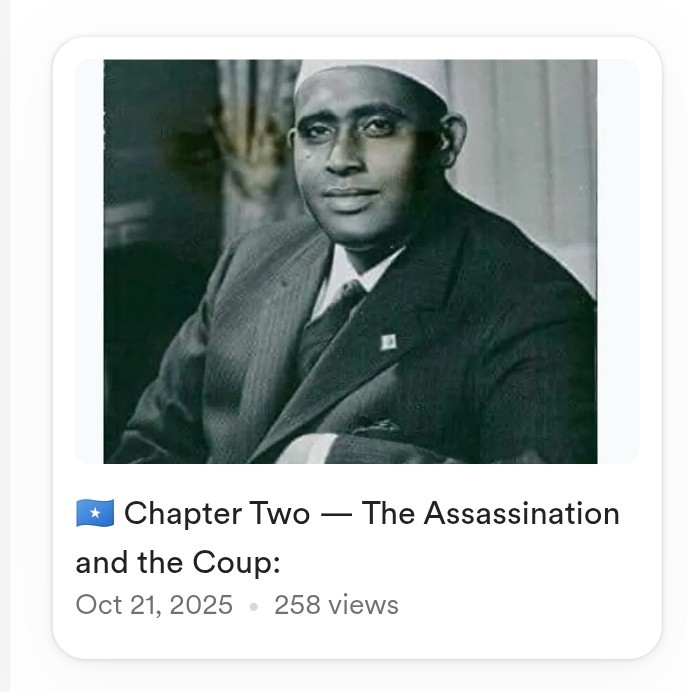
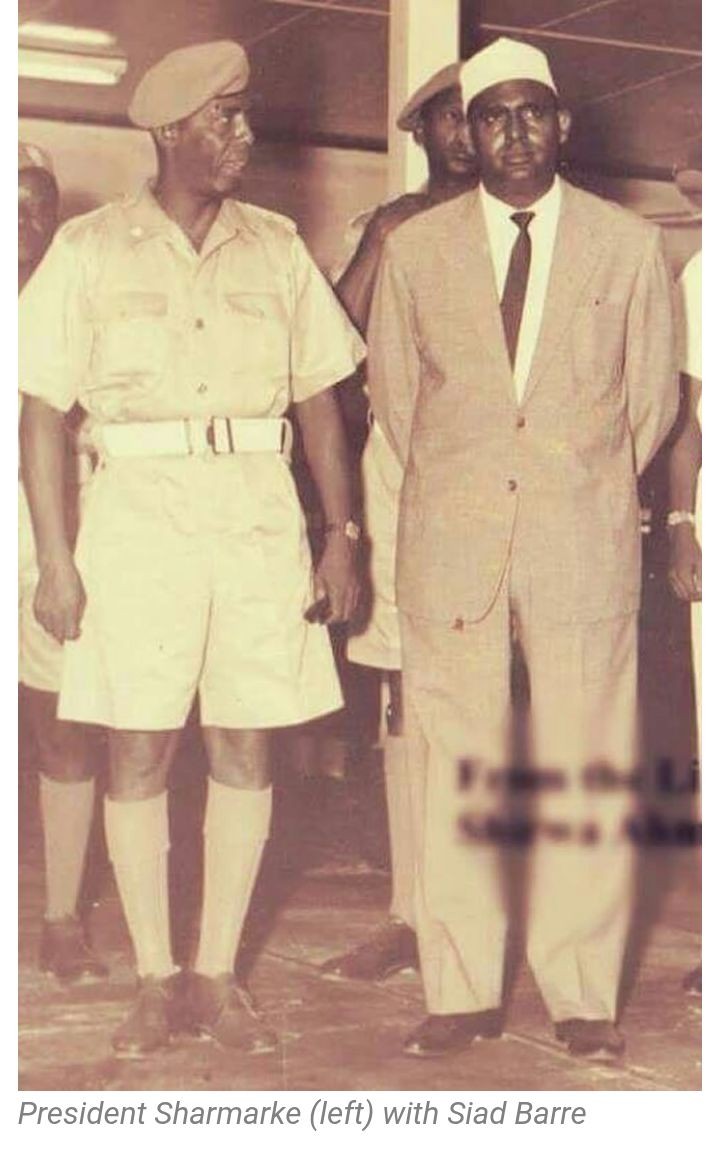
But the preview also confronts the cracks: clan-based coalitions that blurred the line between vote and lineage, corruption that crept into ministries, and the unresolved tension between national ambition and fragile institutions. When President Abdirashid Ali Sharmarke was assassinated on October 15, 1969, the republic lost its balance. Six days later, Major General Mohamed Siad Barre seized power in a bloodless coup—ending Africa's only freely elected Muslim republic and opening the door to a twenty-two-year experiment in "scientific socialism".
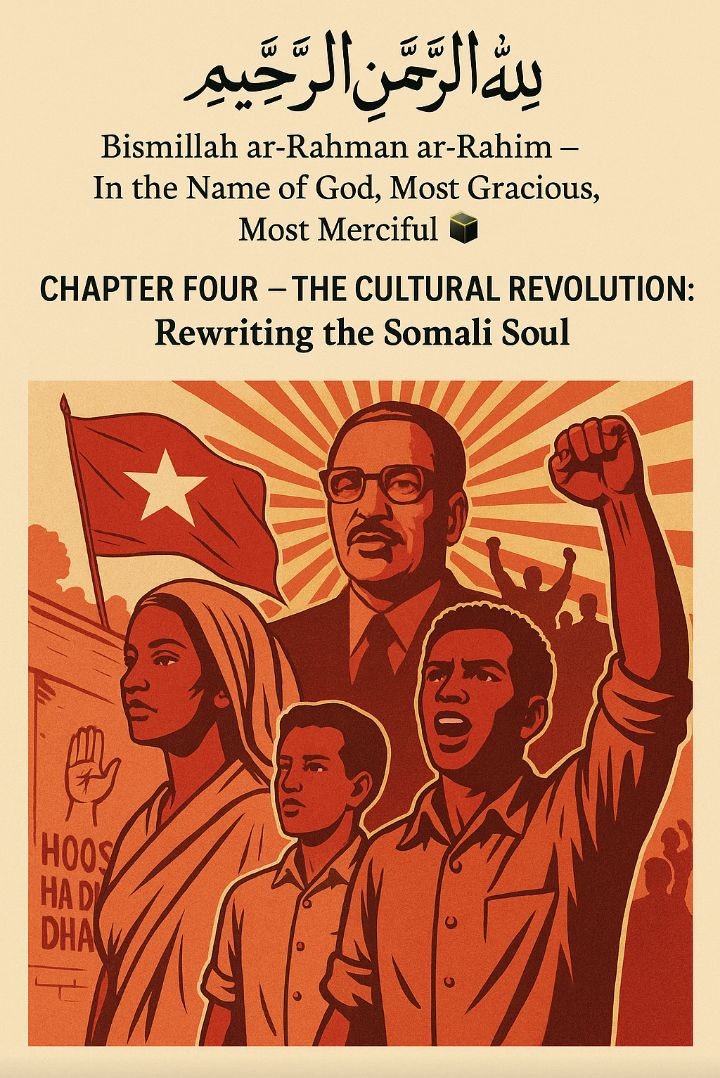
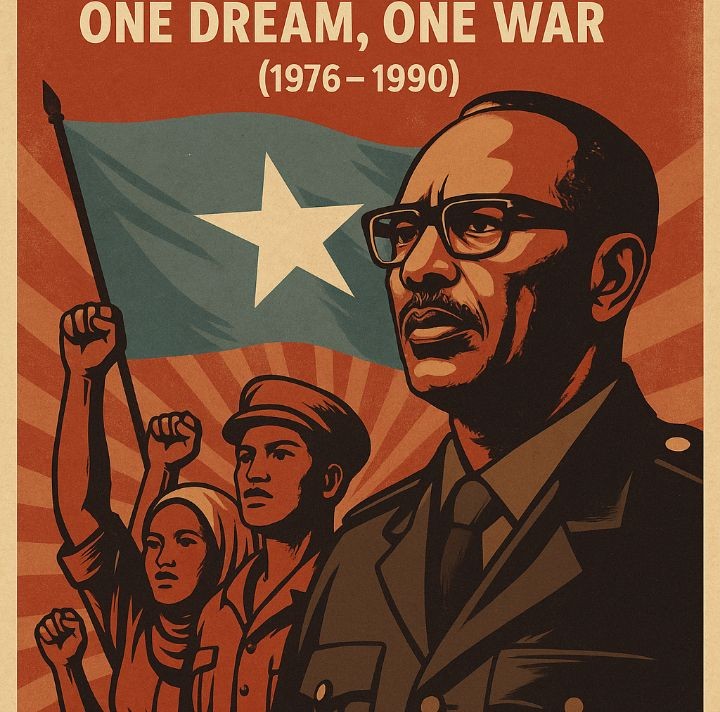
That experiment is the heart of the museum's larger argument. Barre's regime did not merely replace a government; it weaponized clan identity while claiming to abolish it. A system that banned "clanism" in public simultaneously concentrated power in a narrow circle of clans—the acronym MOD (Mareehan, Ogaden, Dulbahante) became the open secret of the state. Scientific socialism promised literacy and modernization, but it delivered a dictatorship that left behind a devastated economy, a militarized society, and a population trained to see the state as a resource to be captured rather than a trust to be shared.
When Barre fled in 1991, the state collapsed—not because Somalis were incapable of democracy, but because the institutions of the 1960s had been systematically dismantled, and the clan divisions of the 1970s and 1980s had been deliberately sharpened. The civil war was not a return to some ancient, immutable "tribal chaos." It was the predictable aftermath of a dictatorship that turned lineage into a political weapon and then lost control of the weapon it had forged.
This is why this museum exists. The Somali diaspora is already reclaiming its archive—digitizing photographs, cassettes, and memories of a pre-1991 past that was never simply "golden," but was real and self-determined. A digital museum is not a luxury; it is a corrective. It gives a generation raised on headlines about piracy and famine the evidence of what came before: the debates, the mistakes, the democratic handover, and the fateful turn toward communism.
The full chapter goes deeper—into the personalities, the documents, and the lessons. But this preview carries the central message: getting on the same page about history is not about assigning blame to one clan or one man. It is about agreeing on the sequence of events that produced the present. Somalis cannot negotiate a shared future while operating from different versions of the past. The first step toward a functional state is a shared historical memory—one honest enough to celebrate 1960 and clear-eyed enough to name what happened in 1969 and after.
Read the full story. Then let us talk about what comes next.
Continue the exhibit: 🇸🇴 History of Somalia: From the Beginning to the End — Part I: The End of Democracy (1960–1969)
This is part of the OmarArizona.com Digital Museum Project — preserving Somali history, one chapter at a time.